
Plaid fabric is a textile pattern featuring intersecting horizontal and vertical stripes that create a checkered or tartan-like design.

The word “plaid” originates from the Scottish Gaelic term for “blanket” and was historically associated with Scottish heritage, particularly clan tartans.
Over the centuries, plaid has evolved from a traditional Scottish garment to a global fashion statement, appearing in various fabric patterns and styles.
The terms plaid and tartan are sometimes used interchangeably, though they have different meanings in historical contexts.
Types of Plaids
Tartan Plaid
Tartan plaid is one of the most well-known plaid patterns. Historically tied to Scottish tartans, each unique pattern represents a specific clan.
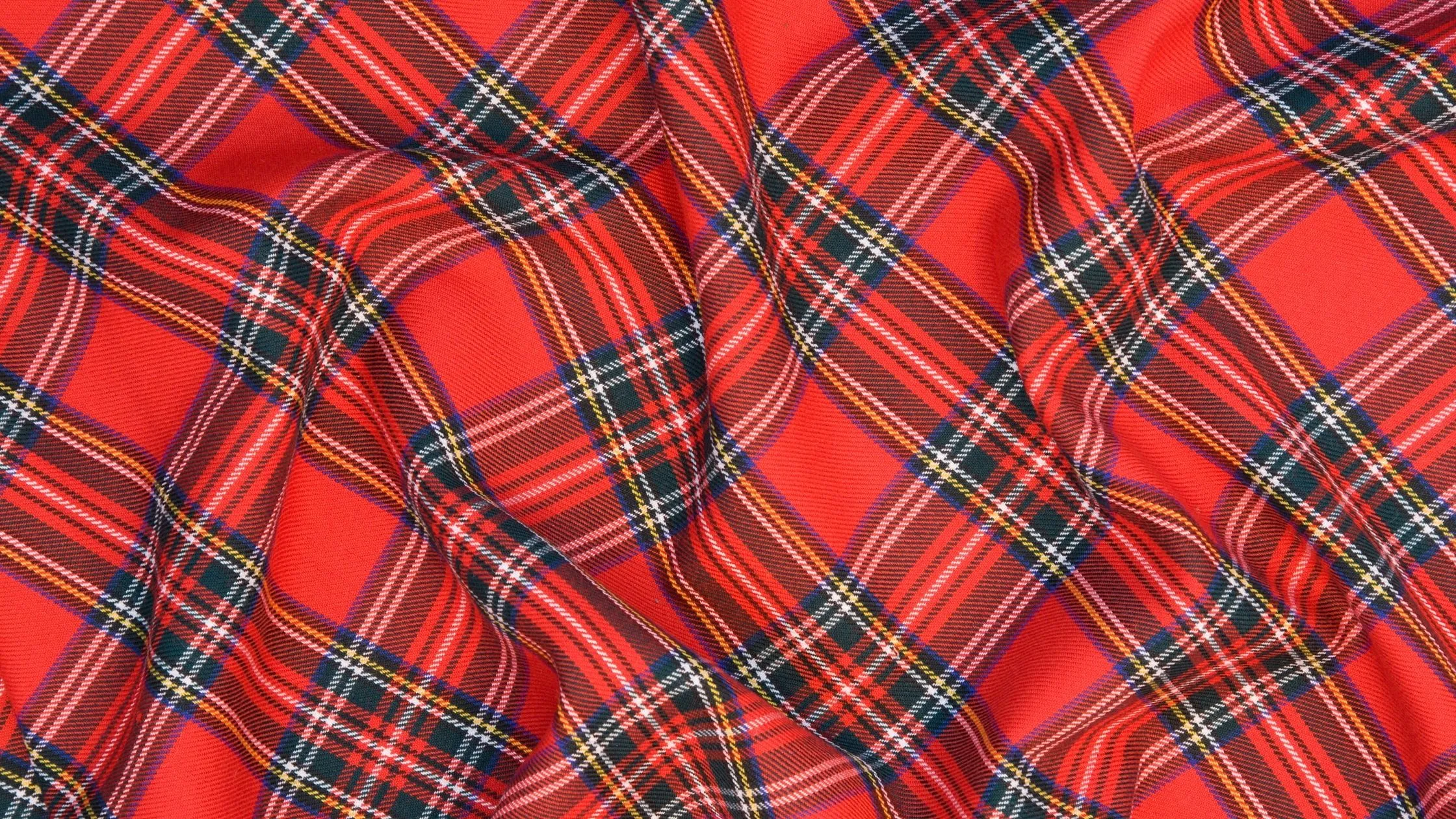
Examples include the Royal Stewart Tartan, Wallace Tartan, and the Black Watch Tartan, all of which have a rich history and cultural significance.
The Wallace Tartan, in particular, has been a symbol of Scottish heritage and resistance.
Gingham Plaid
Gingham plaid features a simple, evenly spaced checkered pattern, often in two contrasting colors such as black and white.
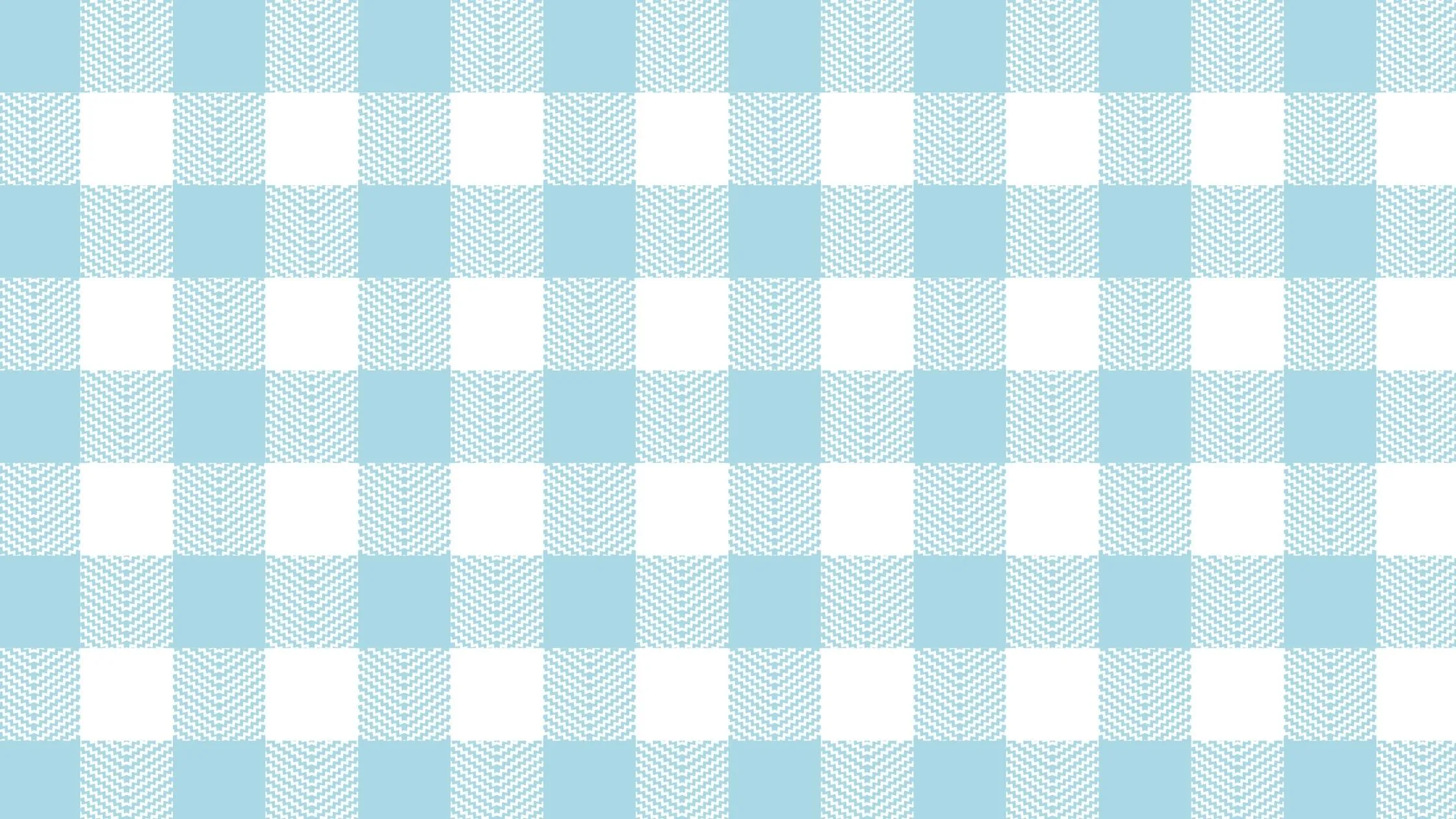
This pattern is popular in warm weather and is commonly used in casual clothing and home furnishings.
Madras Plaid
Madras plaid originates from India and is characterized by bright, multicoloured patterns.
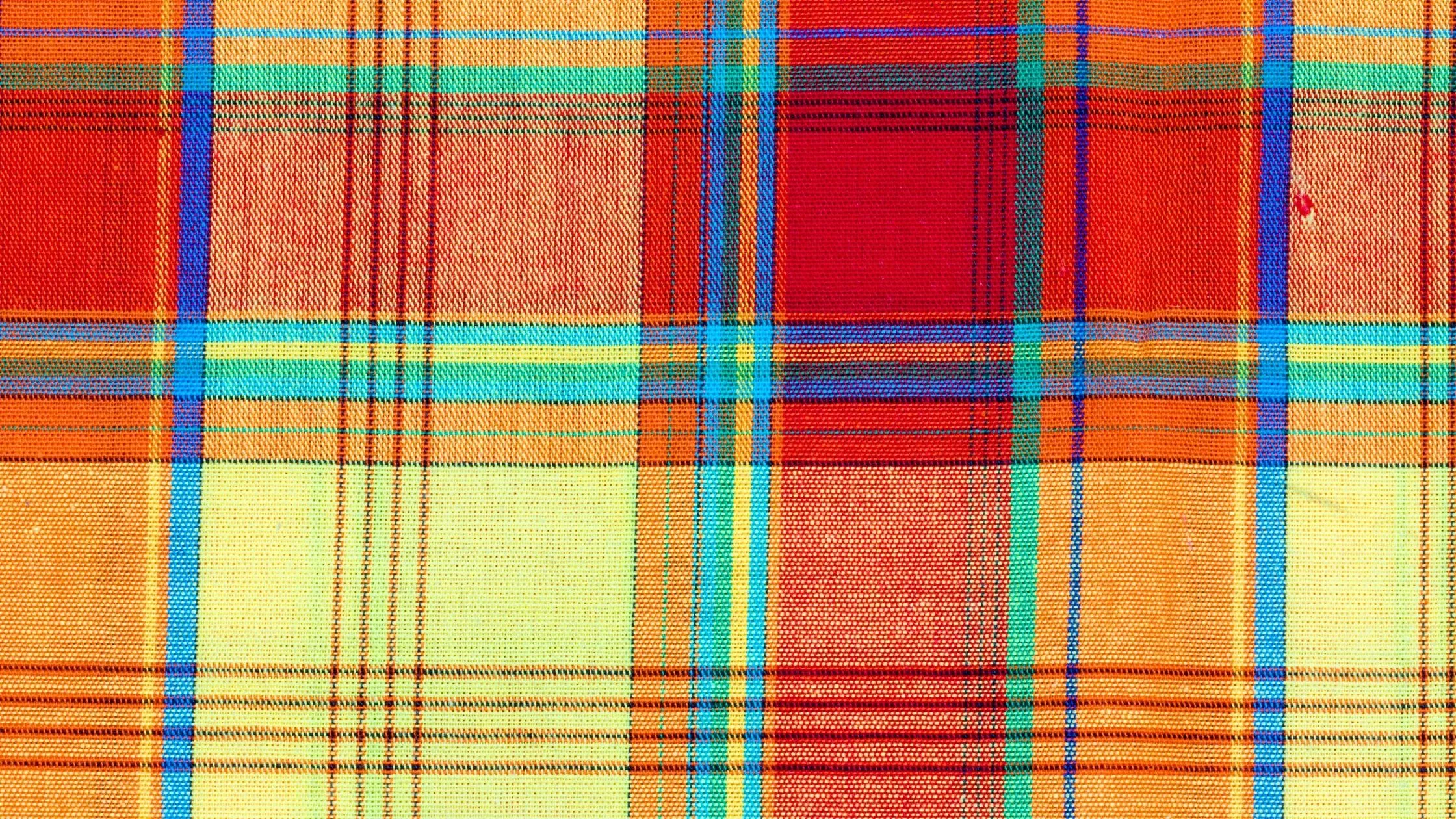
Made from lightweight cotton fabrics, Madras plaid is a popular choice for summer clothing due to its breathable nature.
Buffalo Plaid
Buffalo plaid is a bold checkered pattern, usually in red and black, with large squares.
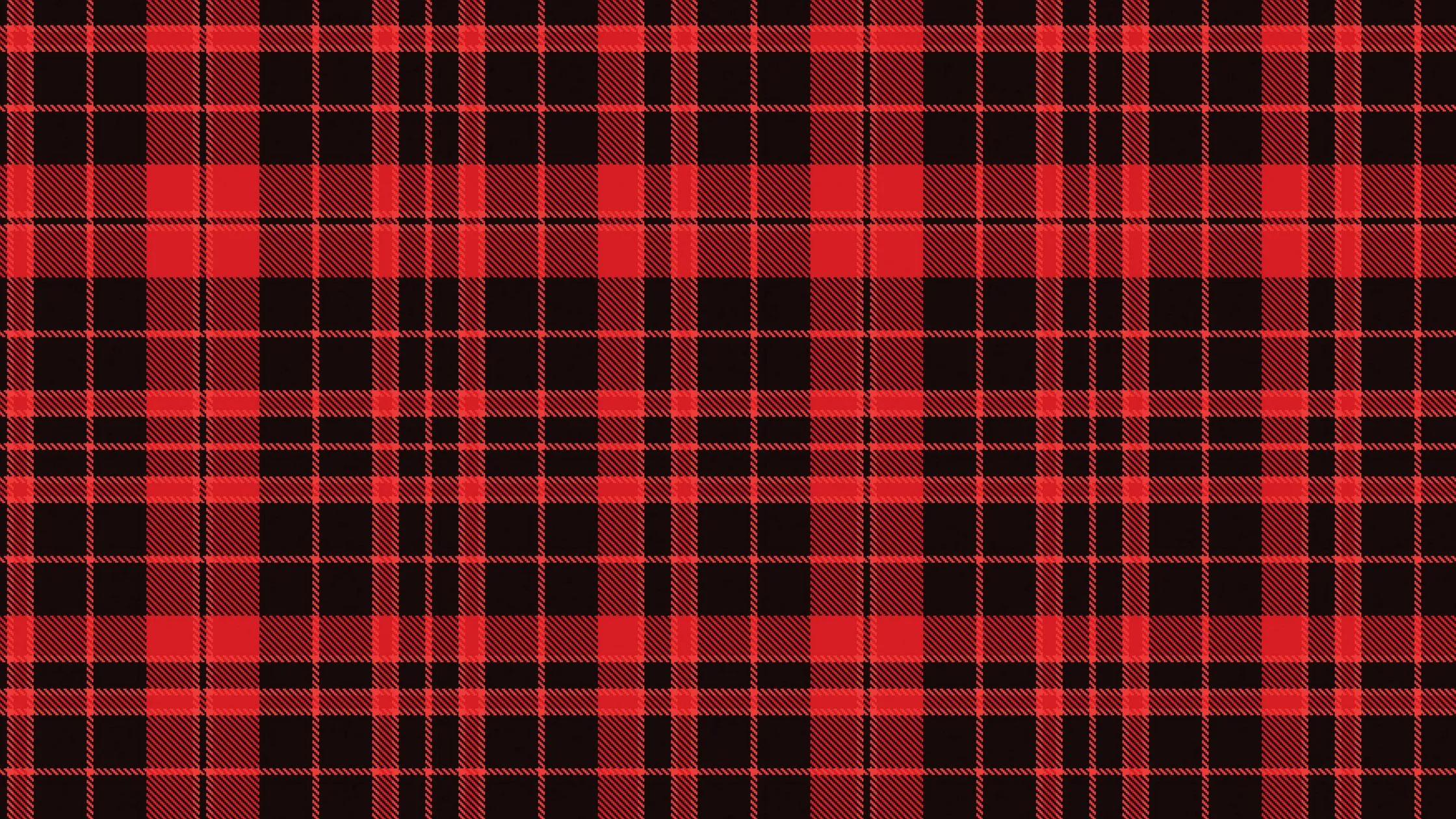
It gained popularity in North America as a staple in flannel shirts, making it a favourite for cold-weather wear.
How Plaid Fabric is Made
Plaid fabric is woven using different fibers such as wool yarn, cotton plaids, and synthetic fibers. Traditionally, natural dyes were used to create the distinctive patterns seen in Scottish tartans.
Modern textile techniques incorporate new fabrics and tartan-style patterns, allowing for a wide range of plaid fabrics.
The classic patterns, including the Wallace Tartan and Black Watch, remain some of the most popular patterns in textile history.
Common Uses of Plaid Fabric
Clothing
Plaid garments are prevalent in fashion, ranging from flannel shirts to plaid suits. Grunge fashion, school uniforms, and formal wear frequently incorporate plaid fabric.
The Wallace Tartan, in particular, has been a significant choice in traditional and modern plaid garments.
Home Decor
Plaid patterns are widely used in home furnishings such as blankets, curtains, and upholstery. The checkered pattern adds a classic touch to any interior design.
Sale Fabric retailers often feature plaid designs due to their timeless appeal and demand.
Accessories
Plaid fabric appears in accessories like scarves, handbags, and belts. The fly plaid, traditionally worn over the left shoulder, is a significant part of Scottish attire.
Additionally, plaid can be found in modern fashion accessories, where white stripes are often incorporated for added contrast.
Famous Plaid Fashion Trends
Plaid has played a significant role in the fashion world. Queen Victoria popularized tartan cloth during the Victorian era, solidifying its status in high fashion.
In the nineteenth century, plaid was associated with political parties, social status, and even the British government. Today, plaid remains an ultimate guide to both casual and formal wear.
Prince Albert was also known for his admiration of tartan-style patterns, influencing their presence in British fashion.
Different Ways to Style Plaid Fabric
Casual Looks
For everyday wear, plaid can be styled with jeans, t-shirts, and sneakers. Flannel shirts and Buffalo Plaid jackets are popular choices for a laid-back look.
Polka Dot accessories can sometimes be paired with plaid for a bold contrast.
Office Wear
A plaid suit or a subtle tartan pattern on a blazer can elevate professional attire. Vertical stripes and tartan-style patterns add a touch of sophistication to workwear.
Special Occasions
Plaid can be incorporated into formal wear, such as kilts for Highland Games or full plaid outfits for traditional Scottish ceremonies.
The equivalent of the belted plaid is often seen in ceremonial attire, where large plaid designs create a striking visual effect.
Caring for Plaid Fabric
Plaid fabric requires proper maintenance to preserve its quality. Woollen cloth and cotton plaids should be washed according to their specific fabric care instructions to retain their unique characteristics.
Maintaining Plaid
Does Plaid Wrinkle?
Plaid fabrics, especially those made from cotton or wool yarn, can wrinkle easily. Ironing or steaming helps maintain their crisp appearance.
Is Plaid Easy to Clean?
Most popular patterns, including cotton plaids and synthetic blends, are easy to clean. However, woollen plaid garments may require dry cleaning to avoid damage.
FAQ
What Type of Fabric is Plaid?
Plaid is a textile pattern rather than a specific fabric type. It can be woven from various materials, including wool, cotton, and synthetic fibers.
What Does Plaid Look Like?
Plaid consists of distinctive patterns formed by intersecting horizontal and vertical stripes, creating a checkered or tartan pattern.
Conclusion: Why Plaid Fabric Remains Popular
Plaid fabric has maintained its cultural significance and relevance in high fashion, home decor, and everyday wear.
With its deep roots in Scottish heritage, rich history, and versatile styling options, plaid remains a timeless and popular choice across different styles and seasons.
Whether in Roman times, the Victorian era, or modern fashion, the plaid pattern continues to hold a significant role in textile history.
If you are looking to buy quality plaid fabrics don’t forget to look at our fabric store.
